
Intestinal Parasites
|
Hookworms |
|
Lives in the small intestines |
|
Can be passed to people - causes painful, itchy rashes |
|
Clinical signs - weakness, weight loss, dehydration, pale gums |
|
Can be prevented by most once-a-month heartworm preventions |
|
Maintaining a clean envirionment and preventing your dog from eating feces will also help prevent an infestation |
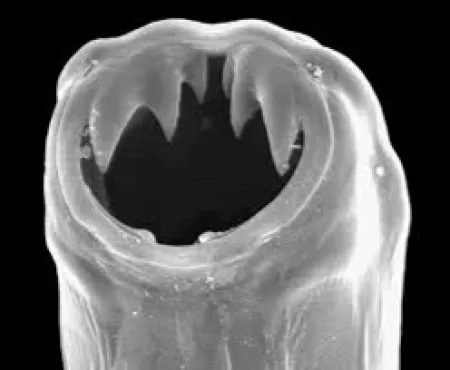
The mouth of Hookworm
|
Tapeworms |
|
Carried by fleas, caused by ingesting an infected flea |
|
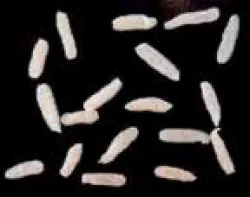
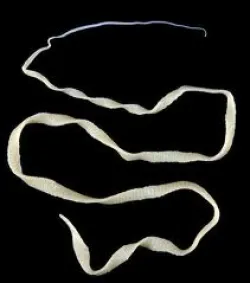
Can grow over a foot long - segments may be seen in feces |
|
Requires a specific deworming medication to treat |
|
Prevent by preventing fleas |
Tapeworm segments Tapeworm
|
Roundworms |
|
Are a threat to people |
Lay 100,000 eggs a day |
Puppies can be infected by their mother |
|
Clinical signs - weight loss, diarrhea, vomiting, malnutrition, weakness, a pot-bellied appearance |
Most heartworm preventions control roundworms to prevent infestation |
Infestations must be treated with deworming medication |
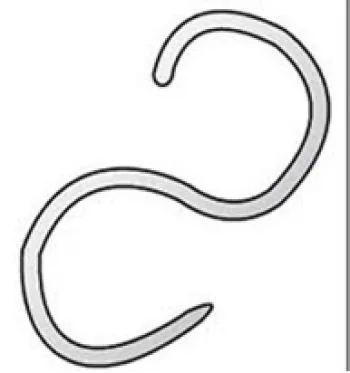
Roundworm
|
Whipworms |
|
Not as big of concern - less destructive, don't lay as many eggs |
|
Live in the soil and can survive for long periods of time |
|
Outdoor dogs are more vulnerable |
|
Not a threat to people |
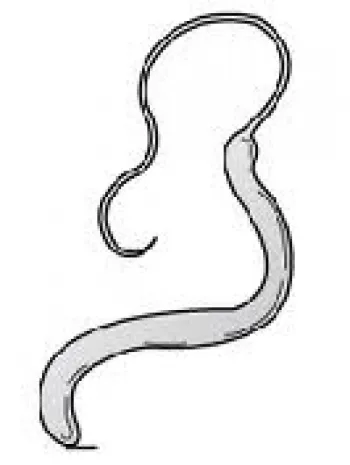
Whipworm